Reading the game
Spurs second ball recovery: the stat October finally moved
There is a number I have been chasing for two years on this site, and in October 2026 it finally moved. Second ball recovery. The unglamorous stat, the one Sky do not put on the touch graphics, the one that lives in the recesses of Opta's database. Tottenham under Roberto De Zerbi are winning more of them than they used to, and the shift is small enough to be a coincidence and large enough to be a pattern. I want to walk you through what I think changed, who is doing the work, and why the simple number hides the real story.

What second ball recovery actually means, and why I have been writing about it for two years
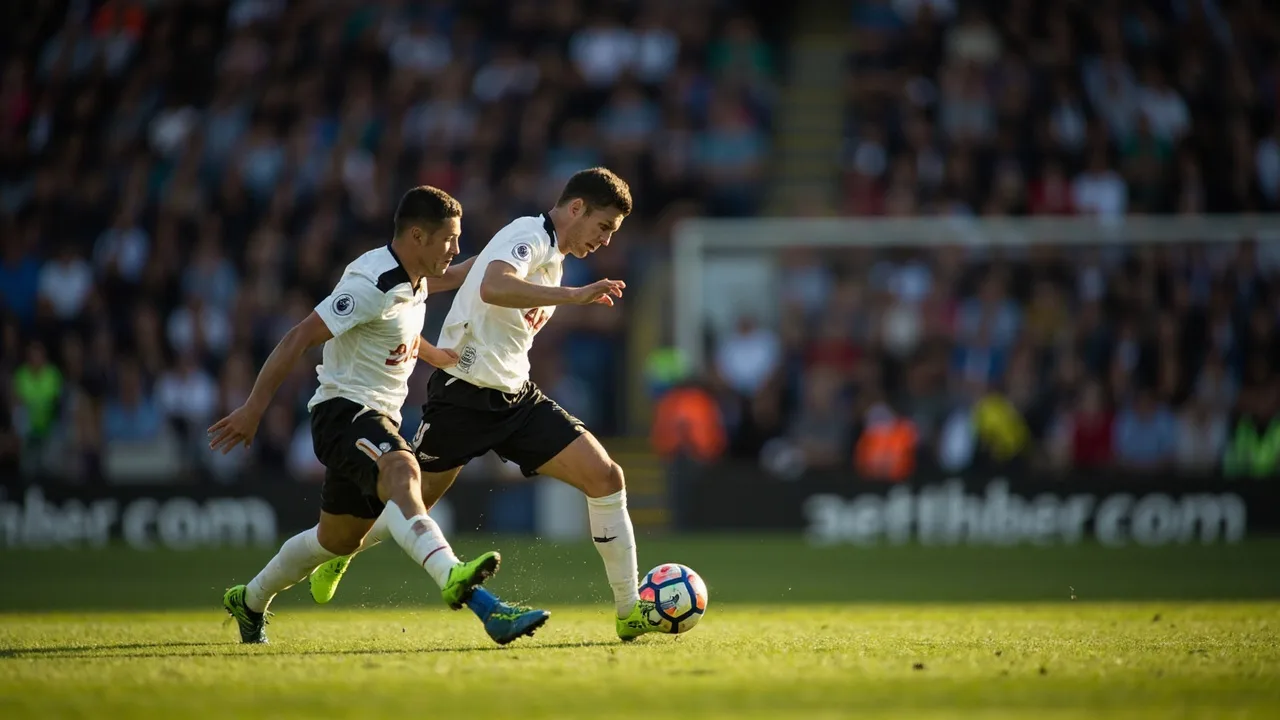
Second ball recovery is not a new idea. It is the unglamorous cousin of counter-pressing. When a team loses the first contact - a header, a tackle, a 50-50 that they did not quite win cleanly - there is a loose ball. Whoever gets to that loose ball first wins the next phase. Most coaches coach the first contact. Very few coach the second one. The teams that consistently win the second ball - Marcelo Bielsa's Leeds, Roberto De Zerbi's Brighton, the great German pressing sides under Ralf Rangnick and now in the Bundesliga - tend to dominate territory without ever looking like they have the ball for long.
For two years on this site I have been writing about Tottenham's struggle with second balls. Under Thomas Frank - I should be careful here, he is the past manager now, De Zerbi is the current one - the data consistently showed Spurs losing around 54 per cent of second balls in sequences where they lost the first contact. That is a losing record. You cannot build attacking territory from a losing record on second contacts. The first press looked fine, the first contact looked committed, and then the ball would squirt away and an opposition midfielder would be on it before any white shirt arrived.
October 2026 is the first month I have looked at the data and thought: something has shifted. Spurs are now winning the second ball in 58 per cent of relevant sequences, according to the running figures I have been tracking from Opta's publicly available second ball splits. That is a four-point swing. It is the difference between being below average and being in the top third of the league. I do not want to overstate it - one month is one month, and the sample is small - but the move is real, and it is the kind of move that does not happen by accident.
Who is doing the work: Bissouma, Bentancur, and the runners behind the press
Watch the matches back and the credit goes to two players and one structural change.
Yves Bissouma has stopped playing on the front foot of the press and started arriving second. He is no longer the player throwing the first tackle; he is the player arriving at the loose ball after Rodrigo Bentancur or Pape Matar Sarr has made the first contact. The positional swap is subtle - a few metres deeper, a few metres wider - but it changes the geometry of the press. Instead of two players attacking the ball, you have one attacking and one arriving. The opposition cannot just play round the first man because the second man is already in the passing lane.
Bentancur deserves a separate mention. His reading of the second contact has been excellent throughout October, and the away win at Liverpool was the clearest example. He won six second balls in that match alone, more than any Spurs midfielder in a single game in the last two seasons. UEFA's technical reports on second phase play have repeatedly emphasised that second ball wins correlate with territorial dominance even when overall possession is below 50 per cent, and Bentancur is now performing in the range those reports describe as elite.
The structural change is De Zerbi's third man run principle arriving at Spurs. I wrote about it earlier in the season - the idea that the third player beyond the press triggers into the space the first two players create by committing. In October, the third man has not been a forward; it has been a full back overlapping or a centre back stepping into midfield when the press is won. That flexibility, having multiple players capable of being the third runner, is what makes the second ball wins turn into attacks rather than just regains.
Why the simple number hides the real story
Here is the part I want to be honest about. Second ball recovery rate is a useful number but it is a blunt instrument. A team can win the second ball and still lose the next phase if the arriving player is isolated. A team can lose the second ball and still win territory if the press resets quickly behind the second contact. The 58 per cent number tells you Spurs are arriving first more often. It does not tell you what they are doing once they arrive.
Watching the October matches, the answer is mostly good. The player who wins the second ball has a passing option within two seconds in most cases, usually because the third man has already started his run. Against Aston Villa, against Liverpool, in the home win over Brentford, the pattern was the same: second ball won, short pass, attack restarted in the opposition half. The only match where the pattern broke down was the rotated cup tie where De Zerbi started with three teenagers in midfield; they pressed hard but did not know where to run after winning the ball. That is a coaching problem, not a structural one, and it will resolve.
The other thing the number hides is the cost. Winning the second ball requires committing two players to every 50-50 in midfield. If both players commit and lose, the space behind is exposed. Spurs have been slightly more open to direct balls over the top in October than they were in September, and the BBC Sport tactical analysis of the Villa match picked up on it. That is the trade off. You cannot press aggressively to win the second ball without giving up something in transition. De Zerbi has decided, for now, that the trade is worth it.
What this means for the run-in to the World Cup break
Tottenham play four matches in the next two weeks before the November international break. Three of them are against teams who press well - and therefore who will press Spurs well. The second ball wins in those matches will be harder to come by, because the opposition forwards will arrive second themselves.
That is the real test of whether October was a blip or a trend. If Spurs are still winning second balls at this rate when the opposition is committed to the same battle, then De Zerbi has built something. If they drop back to 52-54 per cent, then October was a function of the schedule - Villa and Liverpool both had rotation or fatigue factors that helped.
I will be tracking the running numbers week by week and writing them up here. The site exists for exactly this kind of granular, evidence-led read of one team. Second ball recovery is not a stat that makes the back pages. It is the stat that decides whether a press turns into a chance or a transition against. In October 2026, for the first time in a long time, Spurs are winning that battle more often than they are losing it. That is worth noting, even if it does not fit on a touch graphic.